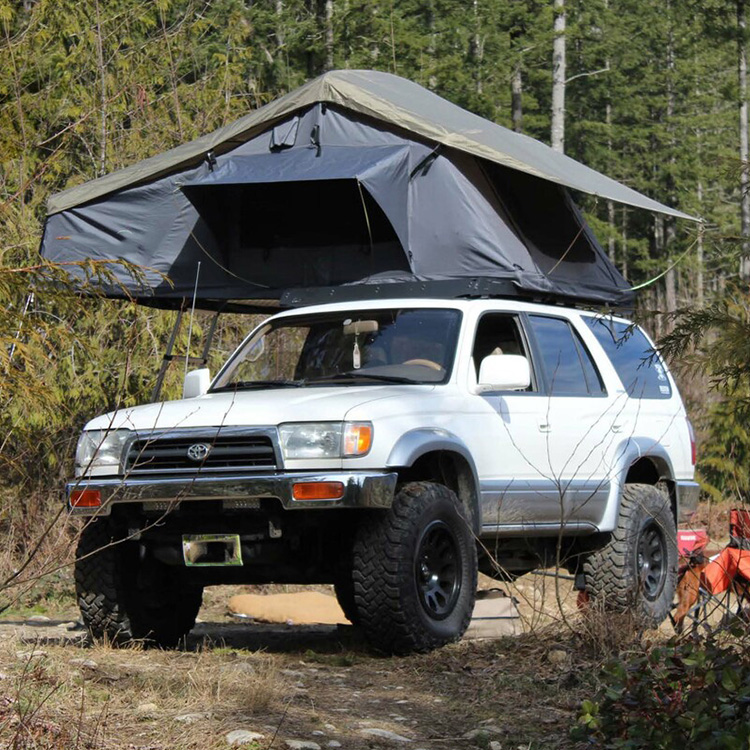
For outdoor brands, wholesalers and distributors, a roof top tent is not only a camping product. It is also a product that directly affects customer experience, brand reputation and after-sales service.
When buyers compare different roof top tent suppliers, price is often the first thing they notice. However, the real value of a roof top tent is decided by its materials, structure, workmanship and long-term durability.
A high-quality roof top tent should be strong enough for outdoor use, comfortable enough for sleeping, waterproof enough for changing weather, and stable enough for repeated opening, closing and transportation.
As an OEM and ODM roof top tent manufacturer, Tongtu Outdoor believes that understanding materials is one of the most important steps before developing a successful rooftop tent product line.
Why Materials Matter in Roof Top Tent Manufacturing??
The materials used in a roof top tent affect almost every part of the product:
- Weight
- Waterproof performance
- Wind resistance
- Durability
- Setup experience
- Interior comfort
- Product lifespan
- Retail price
- Shipping cost
- Warranty risk
For B2B buyers, material selection is also related to market positioning. A premium overlanding brand may prefer aluminum hard shell roof top tents, while a wholesale distributor may prefer soft shell roof tents with more competitive cost.
There is no single “best” material for every market. The right choice depends on your target customer, climate, price range and sales channel.
1. Hard Shell Materials: ABS, Aluminum and Fiberglass
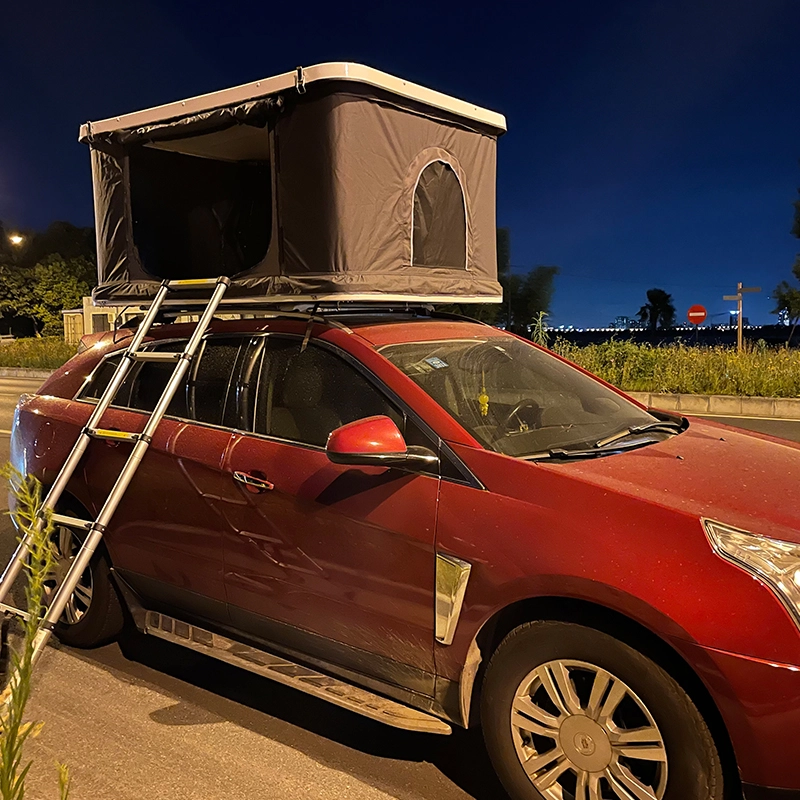
For hard shell roof top tents, the shell is one of the most important parts. It protects the tent body during driving and storage, and it also creates the first visual impression of the product.
Common hard shell materials include:
- ABS shell
- Aluminum shell
- Fiberglass shell
- Aluminum honeycomb panel
- Composite shell materials
Hard shell roof top tents often use ABS, aluminum or fiberglass-reinforced shell structures, while the tent body usually uses canvas or synthetic fabric with an aluminum base or floor structure.
ABS Hard Shell
ABS is commonly used in many pop-up roof top tents because it offers a good balance between weight, appearance and cost. It is suitable for brands that want a clean, modern product at a more controlled price level.
ABS shells are often used for:
- Pop-up roof top tents
- Entry-to-mid-range hard shell models
- Lightweight rooftop tent designs
- Private label products for outdoor brands
For OEM projects, ABS shell color and surface finish can often be customized depending on order quantity and mold conditions.
Aluminum Hard Shell
Aluminum is widely used in premium hard shell roof top tents. It is stronger, more durable and more suitable for rugged outdoor or overlanding markets. Aluminum shells are also popular for clamshell roof top tents and fold-out hard shell roof top tents.
Aluminum hard shell roof top tents are suitable for:
- Premium outdoor brands
- Off-road and overlanding markets
- High-value retail product lines
- Customers who need stronger shell protection
Compared with ABS, aluminum usually has a higher cost, but it can help the brand build a stronger and more professional product image.
Fiberglass Shell
Fiberglass is another material used in some hard shell rooftop tents. It can create smooth shapes and good surface appearance, but buyers should pay attention to weight, impact resistance and long-term aging performance.
For B2B buyers, the choice between ABS, aluminum and fiberglass should be based on product positioning rather than price alone.
2. Tent Body Fabric: Poly-Cotton, Polyester Oxford and Ripstop Fabric
The tent body fabric directly affects waterproof performance, breathability, tear resistance and comfort.
Common roof top tent fabrics include:
- Poly-cotton canvas
- Polyester Oxford fabric
- Ripstop fabric
- Canvas fabric
- Coated synthetic fabric
Roof top tents usually require fabric that is lightweight, tear-resistant, waterproof, windproof and suitable for outdoor environments.
Poly-Cotton Canvas
Poly-cotton canvas is widely used in mid-to-high-end roof top tents. It combines cotton comfort with synthetic fiber strength. Compared with fully synthetic fabric, poly-cotton often provides better breathability and a more comfortable interior feeling.
It is suitable for:
- Premium soft shell roof tents
- Hard shell roof top tent walls
- Family camping products
- Four-season or all-weather product lines
A heavier GSM fabric can feel stronger and more premium, but it may also increase product weight and packing volume.
Polyester Oxford Fabric
Polyester Oxford fabric is commonly used in roof top tents, awnings, rainflies and travel covers. Polyester has good UV resistance and does not stretch or sag as much as nylon when wet, which makes it practical for tent applications.
Polyester Oxford fabric is suitable for:
- Soft shell roof tents
- Rainfly layers
- Travel covers
- Entry-to-mid-range rooftop tent models
- Wholesale product lines
For B2B buyers, polyester Oxford fabric can be a good choice when the target market needs a balance between cost, durability and waterproof performance.
Ripstop Fabric
Ripstop fabric uses a reinforced grid structure to help reduce tearing. This is useful for outdoor products because the tent may face wind, friction, repeated folding and long-term use.
For roof top tents, ripstop fabric can help improve perceived quality and durability, especially when used in the main tent body or rainfly.
3. Waterproof Coating and Hydrostatic Head Rating
A high-quality roof top tent should not only use strong fabric; it also needs proper waterproof coating and seam construction.
Common waterproof treatments include:
- PU coating
- PVC coating
- Silicone coating
- Water-repellent treatment
- Seam sealing or seam taping
Hydrostatic head rating is often used to describe fabric waterproofness, but it does not tell the whole story. Real waterproof performance also depends on seam construction, fabric quality, coating composition and product design.
For B2B buyers, do not only ask, “What is the waterproof rating?” You should also ask:
- Are the seams sealed or taped?
- Is the rainfly included?
- Is the zipper area protected?
- Is the entrance designed to reduce water leakage?
- Has the tent been tested after repeated opening and folding?
A roof top tent may use good fabric, but if the seams, zippers or stitching are poorly made, the final waterproof performance will still be weak.
4. Aluminum Frame, Base and Ladder
The frame, base and ladder decide the structural stability of a roof top tent.
High-quality roof top tents often use aluminum components because aluminum is lightweight, corrosion-resistant and strong enough for outdoor use.
Important aluminum parts include:
- Tent base
- Internal support frame
- Telescopic ladder
- Hinge system
- Mounting rails
- Support poles
- Gas struts or hydraulic supports
For hard shell models, aluminum honeycomb panels or aluminum base structures are often used to improve strength while controlling weight. For soft shell roof tents, the base and folding structure must be strong enough to support repeated use.
The ladder is also very important. A weak ladder will affect user safety and product reviews. For B2B buyers, ladder load capacity, locking mechanism, anti-slip design and packaging protection should all be checked before bulk orders.
5. Zippers, Mesh and Small Hardware
Small parts can make a big difference in the final user experience.
Important small components include:
- Zippers
- Pullers
- Mosquito mesh
- Buckles
- Velcro
- Hinges
- Screws
- Mounting brackets
- Elastic cords
- Storage bags
For end users, zippers and mesh are touched every time they use the tent. If the zipper is not smooth or the mesh is too weak, the product will feel low quality even if the main shell and fabric are good.
For outdoor brands, it is worth choosing reliable zippers, strong mesh and corrosion-resistant hardware. These details help reduce after-sales problems and improve customer satisfaction.
6. Mattress Material and Interior Comfort
A roof top tent is not only a shelter; it is also a sleeping space. That means the mattress quality matters.
Common mattress options include:
- High-density foam mattress
- Sponge mattress
- Memory foam layer
- Removable mattress cover
- Anti-moisture bottom layer
For B2B buyers, mattress thickness, density and cover fabric should be confirmed before production. A thicker mattress may improve comfort, but it may also affect the closed height of the roof top tent.
Interior comfort can also be improved by:
- Breathable mesh windows
- Anti-condensation design
- Interior storage pockets
- LED light strip options
- Ventilation windows
- Darker fabric for better privacy and light blocking
These details can help your brand create a better product experience.
7. Travel Cover and Packaging Materials
For soft shell roof tents, the travel cover is very important because it protects the tent during driving.
Common travel cover materials include:
- PVC cover
- Heavy-duty Oxford cover
- Waterproof coated fabric
- UV-resistant cover material
A good travel cover should be waterproof, tear-resistant and easy to open and close. Poor-quality covers may crack, fade or break after long-term outdoor exposure.
For B2B buyers, packaging also matters. Roof top tents are heavy and bulky products, so export packaging must be strong enough for long-distance transportation.
Recommended packaging details include:
- Strong carton
- Foam protection
- Corner protection
- Clear product label
- Accessory packing list
- Installation manual
- Pallet or container loading plan
Good packaging reduces transportation damage and protects your brand reputation.
8. How to Choose the Right Material for Your Market
Different markets need different material combinations.
For Entry-Level Wholesale Products
A practical choice may include:
- Polyester Oxford fabric
- PVC travel cover
- Standard aluminum ladder
- Basic foam mattress
- Cost-controlled hardware
This is suitable for distributors who want competitive pricing and faster market entry.
For Mid-Range Outdoor Brands
A balanced option may include:
- ABS hard shell
- Poly-cotton or ripstop fabric
- Better waterproof coating
- Aluminum base
- Upgraded mattress
- Custom logo and packaging
This is suitable for brands that want quality but still need price control.
For Premium Overlanding Brands
A higher-end option may include:
- Aluminum hard shell
- High-GSM poly-cotton canvas
- Strong aluminum base
- Premium ladder
- Better zippers and mesh
- Custom accessories
- Stronger packaging
This is suitable for brands targeting off-road users, overlanding customers and high-value retail channels.
9. Material Checklist for B2B Roof Top Tent Buyers
Before placing an OEM roof top tent order, buyers should confirm the following details with the supplier:
- What is the shell material?
- What is the fabric composition?
- What is the fabric weight or GSM?
- Is the fabric ripstop?
- What is the waterproof rating?
- Are the seams sealed or taped?
- What material is used for the base?
- What is the ladder load capacity?
- What zipper quality is used?
- What mattress thickness is included?
- Can the logo, color and packaging be customized?
- Is the product suitable for your target climate and market?
A reliable roof top tent manufacturer should be able to explain these details clearly and recommend suitable material options according to your target price and market positioning.
Final Thoughts
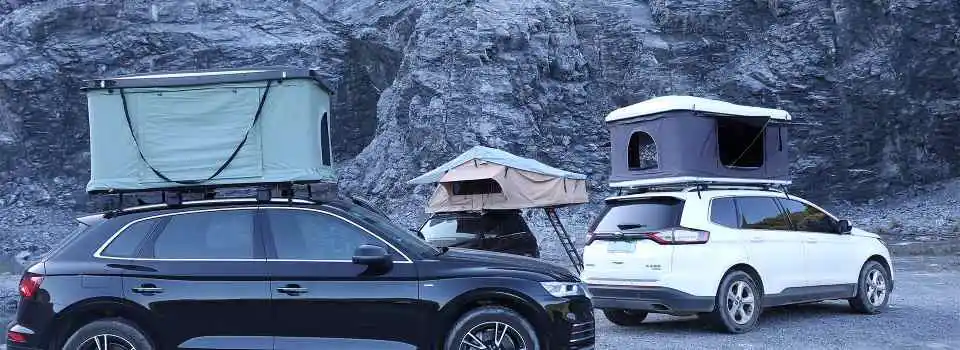
High-quality roof top tents are built from the right combination of materials, not from one single feature.
A strong shell protects the tent during transport. Durable fabric improves weather resistance and comfort. A stable aluminum frame improves safety. Good zippers, mesh, mattress and packaging improve the final customer experience.
For outdoor brands, wholesalers and distributors, choosing the right materials can help reduce after-sales problems, improve product reviews and build stronger brand value.
Tongtu Outdoor provides OEM and ODM roof top tent manufacturing services for global outdoor brands and distributors. Whether you are developing hard shell roof top tents, soft shell roof tents, pop-up rooftop tents, clamshell roof top tents or roof tent accessories, we can help you choose suitable materials for your market and product positioning.
Looking for a reliable roof top tent manufacturer? Contact Tongtu Outdoor to discuss your custom roof top tent project.